
OUR SERVICE AREA

Phone: (715) 696-6446
Email: service@cleankillpest.com
Mailing Address:
PO Box 26
Niagara, WI 54151
Copyright © 2026 Clean Kill Pest Control LLC.
Site design & hosting by North Country Website Design↗
Upper Peninsula and
Northern Wisconsin
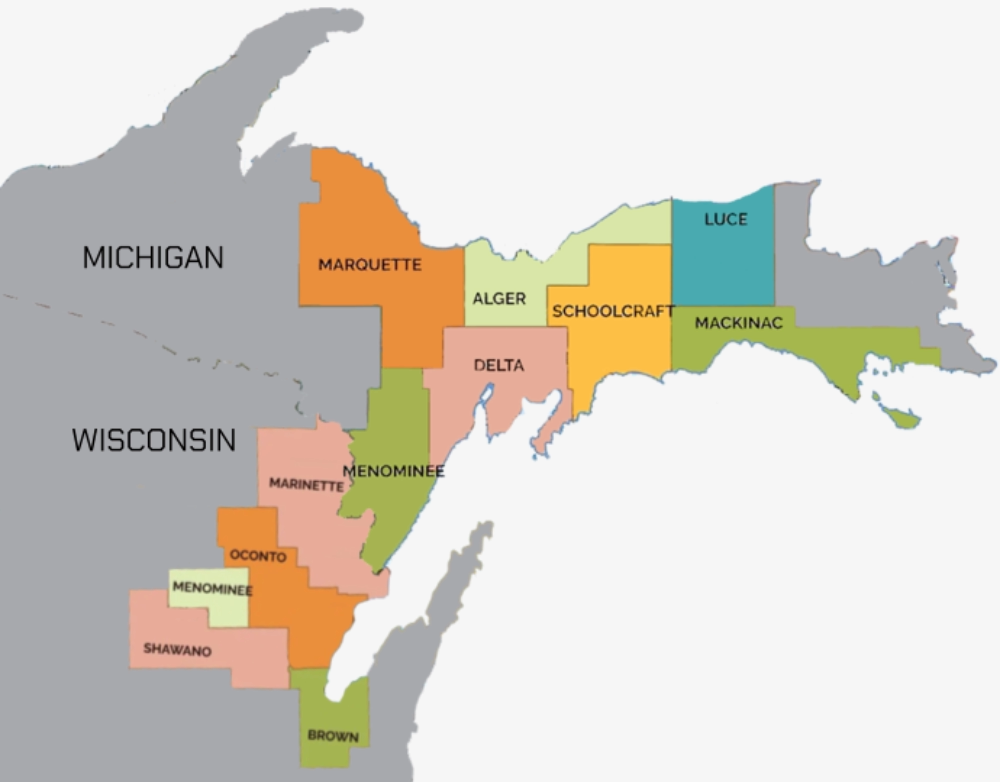

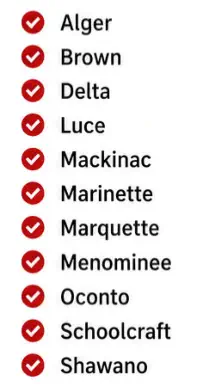
COUNTIES SERVICED
MICHIGAN AND WISCONSIN
Alger County
Brown County
Delta County
Luce County
Mackinac County
Marinette County
Marquette County
Menominee Counties
Oconto County
Schoolcraft County
Shawano County

- IDENTIFY A PEST -
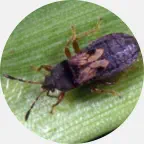
- CHINCH BUGS -
Latin Name: Genus Blissus
Length: 0.16 in
Color: Dark Red to Brown, White wings and White band
Sounds: ---
Digestive Tract: Yes
PEST OVERVIEW
Chinch bugs are very small, parasitic insects that feed off of and eventually kill plant life. If action isn’t taken, they can cause a lot of damage
to a lawn. However, the damage can be minimized when chinch bugs are managed properly.
The chinch bug is considered a major insect pest on home laws. Lawns that are attacked by chinch bugs looks like grass suffering from
drought. This will resemble brown patches in your lawn and along your driveway and sidewalks. If you are not sure what damaged your lawn,
you may want to call a professional.
WHY DO I HAVE THEM?
Chinch bug infestations frequently occur in drought-stressed turfgrass with thick thatch that is exposed to full sunlight during periods of
hot, dry weather. Damaged areas in the beginning look like small, irregular patches. This will eventually spread into large patches of dead,
brown grass as the insects spread.
The initial damage typically starts along driveways and sidewalks. Chinch bug infestations frequently go unnoticed because they are small
and their color blends into grass and thatch. Damage frequently occurs from June through September during hot weather when the insects
are actively feeding.
TIPS FOR CONTROL
To get your pest problem under control, inspection is the first and foremost step. This holds true whether you are tackling the situation
yourself or you are interested in a free estimate from our trained, experienced staff. Additional tips for prevention:
•
Mow grass to about 2-2.5 inches
•
Fertilize lawn with correct amount and at appropriate times
•
Irrigate lawn during drought periods without overwatering
•
Remove excess thatch
•
Consider a lawn maintenance plan


OUR SERVICE AREA
Phone: (715) 696-6446
Email: service@cleankillpest.com
Mailing Address:
PO Box 26
Niagara, WI 54151
Copyright © 2026 Clean Kill Pest Control LLC.
Site design & hosting by North Country Website Design↗
Upper Peninsula and
Northern Wisconsin
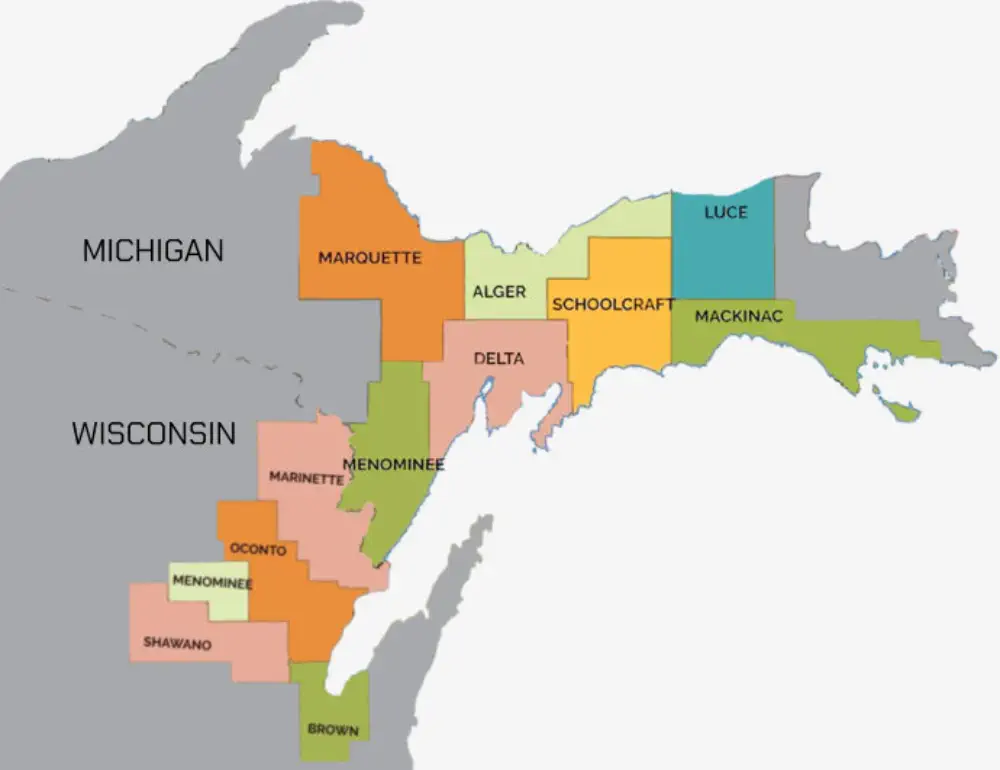

COUNTIES SERVICED
MICHIGAN AND WISCONSIN
Alger County
Brown County
Delta County
Luce County
Mackinac County
Marinette County
Marquette County
Menominee Counties
Oconto County
Schoolcraft County
Shawano County

- IDENTIFY A PEST -
- CHINCH BUGS -
Latin Name: Genus Blissus
Length: 0.16 in
Color: Dark Red to Brown, White wings and White band
Sounds: ---
Digestive Tract: Yes
PEST OVERVIEW
Chinch bugs are very small, parasitic insects that feed off of and eventually kill plant life. If action isn’t taken, they
can cause a lot of damage to a lawn. However, the damage can be minimized when chinch bugs are managed
properly.
The chinch bug is considered a major insect pest on home laws. Lawns that are attacked by chinch bugs looks like
grass suffering from drought. This will resemble brown patches in your lawn and along your driveway and sidewalks.
If you are not sure what damaged your lawn, you may want to call a professional.
WHY DO I HAVE THEM?
Chinch bug infestations frequently occur in drought-stressed turfgrass with thick thatch that is exposed to full
sunlight during periods of hot, dry weather. Damaged areas in the beginning look like small, irregular patches. This
will eventually spread into large patches of dead, brown grass as the insects spread.
The initial damage typically starts along driveways and sidewalks. Chinch bug infestations frequently go unnoticed
because they are small and their color blends into grass and thatch. Damage frequently occurs from June through
September during hot weather when the insects are actively feeding.
TIPS FOR CONTROL
To get your pest problem under control, inspection is the first and foremost step. This holds true whether you are
tackling the situation yourself or you are interested in a free estimate from our trained, experienced staff.
Additional tips for prevention:
•
Mow grass to about 2-2.5 inches
•
Fertilize lawn with correct amount and at appropriate times
•
Irrigate lawn during drought periods without overwatering
•
Remove excess thatch
•
Consider a lawn maintenance plan


OUR SERVICE AREA

Phone: (715) 696-6446
Email: service@cleankillpest.com
Mailing Address:
PO Box 26
Niagara, WI 54151
Copyright 2026 Clean Kill Pest Control LLC.
Upper Peninsula and Northern Wisconsin
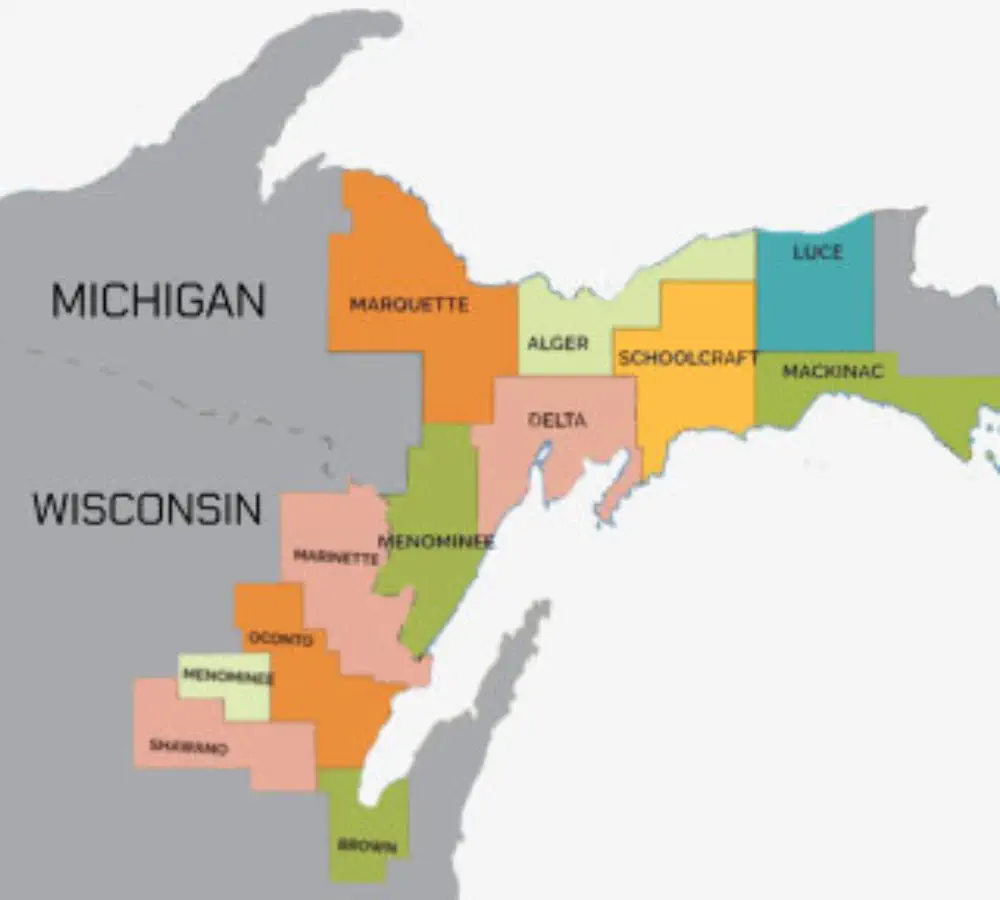

COUNTIES SERVICED
MICHIGAN AND WISCONSIN
Alger County
Brown County
Delta County
Luce County
Mackinac County
Marinette County
Marquette County
Menominee Counties
Oconto County
Schoolcraft County
Shawano County
- IDENTIFY A PEST -
- CHINCH BUGS -
Latin Name: Genus Blissus
Length: 0.16 in
Color: Dark Red to Brown, White wings and
White band
Sounds: ---
Digestive Tract: Yes
PEST OVERVIEW
Chinch bugs are very small, parasitic insects
that feed off of and eventually kill plant life. If
action isn’t taken, they can cause a lot of
damage to a lawn. However, the damage can be
minimized when chinch bugs are managed
properly.
The chinch bug is considered a major insect
pest on home laws. Lawns that are attacked by
chinch bugs looks like grass suffering from
drought. This will resemble brown patches in
your lawn and along your driveway and
sidewalks. If you are not sure what damaged
your lawn, you may want to call a professional.
WHY DO I HAVE THEM?
Chinch bug infestations frequently occur in
drought-stressed turfgrass with thick thatch
that is exposed to full sunlight during periods of
hot, dry weather. Damaged areas in the
beginning look like small, irregular patches. This
will eventually spread into large patches of
dead, brown grass as the insects spread.
The initial damage typically starts along
driveways and sidewalks. Chinch bug
infestations frequently go unnoticed because
they are small and their color blends into grass
and thatch. Damage frequently occurs from
June through September during hot weather
when the insects are actively feeding.
TIPS FOR CONTROL
To get your pest problem under control,
inspection is the first and foremost step. This
holds true whether you are tackling the
situation yourself or you are interested in a free
estimate from our trained, experienced staff.
Additional tips for prevention:
•
Mow grass to about 2-2.5 inches
•
Fertilize lawn with correct amount and at
appropriate times
•
Irrigate lawn during drought periods without
overwatering
•
Remove excess thatch
•
Consider a lawn maintenance plan
