
OUR SERVICE AREA

Phone: (715) 696-6446
Email: service@cleankillpest.com
Mailing Address:
PO Box 26
Niagara, WI 54151
Copyright © 2026 Clean Kill Pest Control LLC.
Site design & hosting by North Country Website Design↗
Upper Peninsula and
Northern Wisconsin
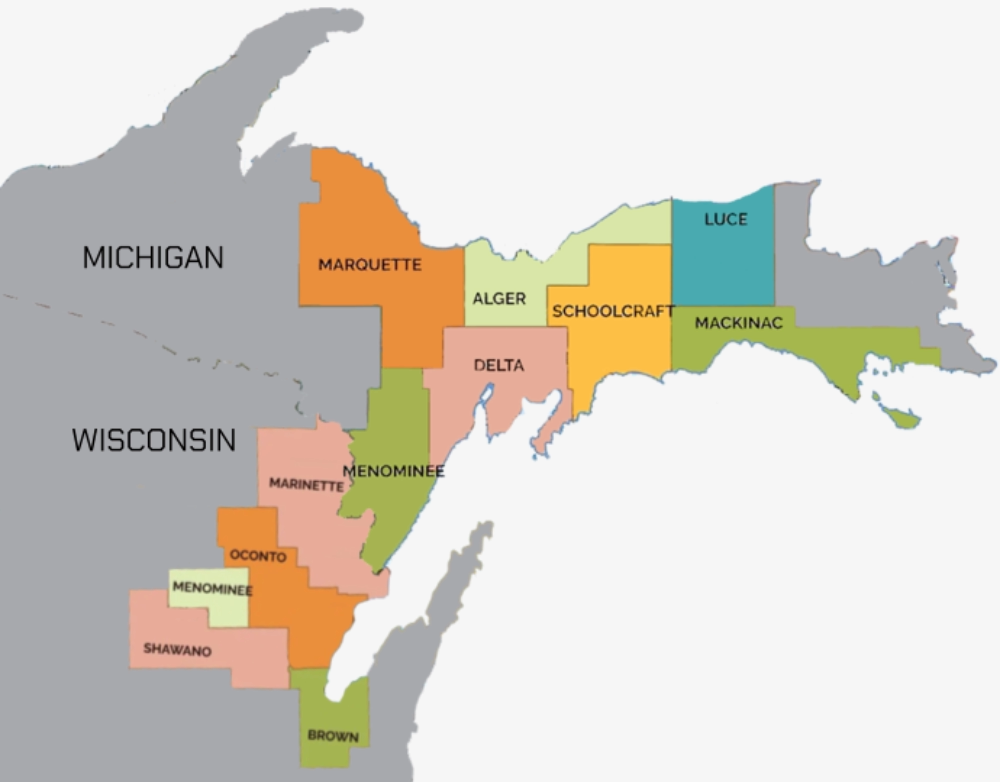

COUNTIES SERVICED
MICHIGAN AND WISCONSIN
Alger County
Brown County
Delta County
Luce County
Mackinac County
Marinette County
Marquette County
Menominee Counties
Oconto County
Schoolcraft County
Shawano County

- IDENTIFY A PEST -
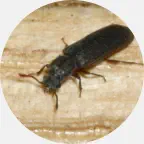
- POWDER POST BEETLE -
Latin Name: subfamily Lyctinae
Length: 1/8-3/4 in
Color: Reddish Brown to Black
Sounds: Larvae Makes Ticking Sound
Digestive Tract: Yes
PEST OVERVIEW
There are two types of powderpost beetles. The Lyctid powderpost beetle only attacks hardwoods and can be found in hardwood floors,
kitchen cabinets, baseboard trim, antiques and other objects made of hardwood materials.
Anobiid powderpost beetles will infest both hardwoods and softwoods, and it is the larval stage that does the damage as they feed and
develop in the infested wood. They prefer seasoned, older wood located in cooler areas of the home including floor joists in crawl spaces of
houses, attic joists and wall studs. They can cause structural damage.
WHY DO I HAVE THEM?
Most powder post beetles are introduced into homes in lumber or finished wood products including flooring, furniture, paneling, etc. Lumber
which has been improperly stored or dried should not be used in the home and inspect the wood for the presence of beetle holes.
Typically, serious infestations of powder post beetles result from people using old lumber from a barn or woodpile behind their house to
panel a room or build an addition.
TIPS FOR CONTROL
To get your pest problem under control, inspection is the first and foremost step. This holds true whether you are tackling the situation
yourself or you are interested in a free estimate from our trained, experienced staff. Additional tips for prevention:
•
Identify areas with beetle holes and powder substance called frass
•
Remove and replace infested wood
•
Paint or finish bare surfaces – they only infest bare wood
•
Install moisture barriers and/or foundation vents to decrease moisture
•
Continue to inspect wood surfaces within home


OUR SERVICE AREA
Phone: (715) 696-6446
Email: service@cleankillpest.com
Mailing Address:
PO Box 26
Niagara, WI 54151
Copyright © 2026 Clean Kill Pest Control LLC.
Site design & hosting by North Country Website Design↗
Upper Peninsula and
Northern Wisconsin
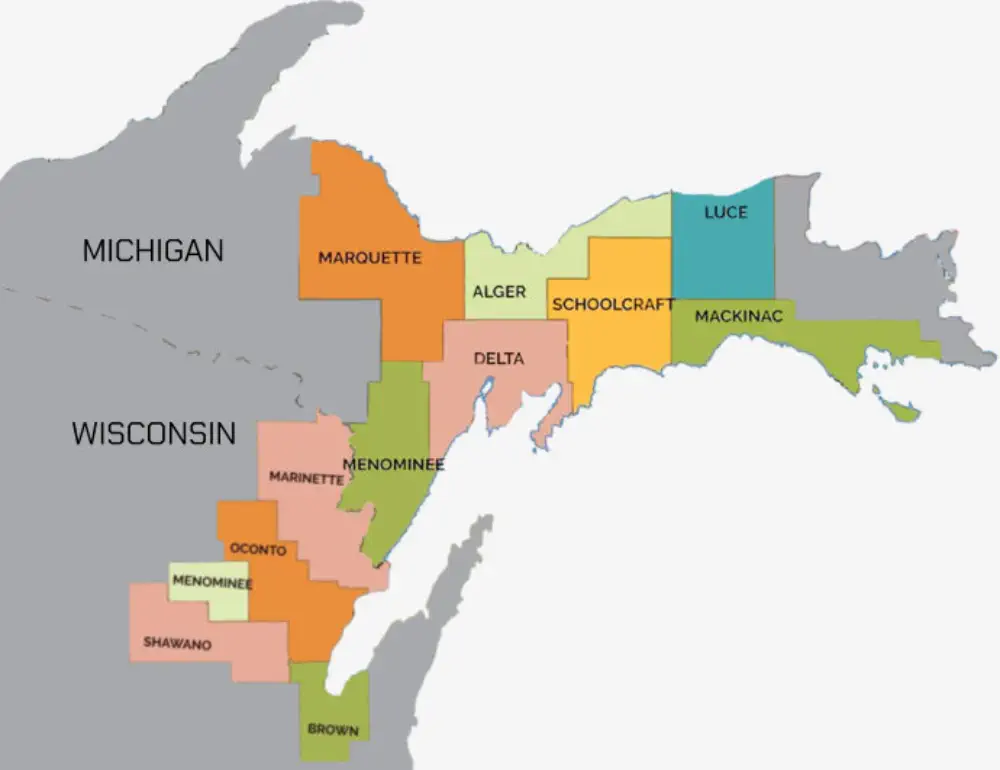

COUNTIES SERVICED
MICHIGAN AND WISCONSIN
Alger County
Brown County
Delta County
Luce County
Mackinac County
Marinette County
Marquette County
Menominee Counties
Oconto County
Schoolcraft County
Shawano County

- IDENTIFY A PEST -
- POWDER POST BEETLE -
Latin Name: subfamily Lyctinae
Length: 1/8-3/4 in
Color: Reddish Brown to Black
Sounds: Larvae Makes Ticking Sound
Digestive Tract: Yes
PEST OVERVIEW
There are two types of powderpost beetles. The Lyctid powderpost beetle only attacks hardwoods and can be
found in hardwood floors, kitchen cabinets, baseboard trim, antiques and other objects made of hardwood
materials.
Anobiid powderpost beetles will infest both hardwoods and softwoods, and it is the larval stage that does the
damage as they feed and develop in the infested wood. They prefer seasoned, older wood located in cooler areas of
the home including floor joists in crawl spaces of houses, attic joists and wall studs. They can cause structural
damage.
WHY DO I HAVE THEM?
Most powder post beetles are introduced into homes in lumber or finished wood products including flooring,
furniture, paneling, etc. Lumber which has been improperly stored or dried should not be used in the home and
inspect the wood for the presence of beetle holes.
Typically, serious infestations of powder post beetles result from people using old lumber from a barn or woodpile
behind their house to panel a room or build an addition.
TIPS FOR CONTROL
To get your pest problem under control, inspection is the first and foremost step. This holds true whether you are
tackling the situation yourself or you are interested in a free estimate from our trained, experienced staff.
Additional tips for prevention:
•
Identify areas with beetle holes and powder substance called frass
•
Remove and replace infested wood
•
Paint or finish bare surfaces – they only infest bare wood
•
Install moisture barriers and/or foundation vents to decrease moisture
•
Continue to inspect wood surfaces within home


OUR SERVICE AREA

Phone: (715) 696-6446
Email: service@cleankillpest.com
Mailing Address:
PO Box 26
Niagara, WI 54151
Copyright 2026 Clean Kill Pest Control LLC.
Upper Peninsula and Northern Wisconsin
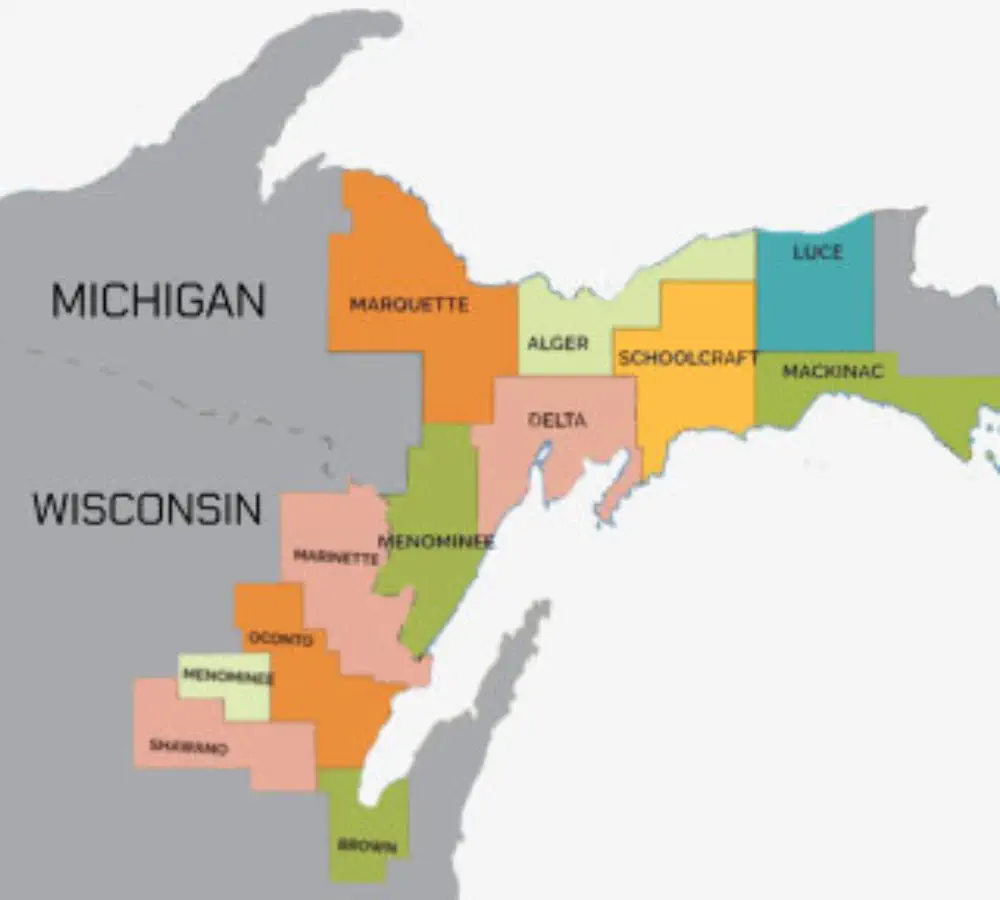

COUNTIES SERVICED
MICHIGAN AND WISCONSIN
Alger County
Brown County
Delta County
Luce County
Mackinac County
Marinette County
Marquette County
Menominee Counties
Oconto County
Schoolcraft County
Shawano County
- IDENTIFY A PEST -
- POWDER POST BEETLE -
Latin Name: subfamily Lyctinae
Length: 1/8-3/4 in
Color: Reddish Brown to Black
Sounds: Larvae Makes Ticking Sound
Digestive Tract: Yes
PEST OVERVIEW
There are two types of powderpost beetles. The
Lyctid powderpost beetle only attacks
hardwoods and can be found in hardwood
floors, kitchen cabinets, baseboard trim,
antiques and other objects made of hardwood
materials.
Anobiid powderpost beetles will infest both
hardwoods and softwoods, and it is the larval
stage that does the damage as they feed and
develop in the infested wood. They prefer
seasoned, older wood located in cooler areas of
the home including floor joists in crawl spaces
of houses, attic joists and wall studs. They can
cause structural damage.
WHY DO I HAVE THEM?
Most powder post beetles are introduced into
homes in lumber or finished wood products
including flooring, furniture, paneling, etc.
Lumber which has been improperly stored or
dried should not be used in the home and
inspect the wood for the presence of beetle
holes.
Typically, serious infestations of powder post
beetles result from people using old lumber
from a barn or woodpile behind their house to
panel a room or build an addition.
TIPS FOR CONTROL
To get your pest problem under control,
inspection is the first and foremost step. This
holds true whether you are tackling the
situation yourself or you are interested in a free
estimate from our trained, experienced staff.
Additional tips for prevention:
•
Identify areas with beetle holes and powder
substance called frass
•
Remove and replace infested wood
•
Paint or finish bare surfaces – they only
infest bare wood
•
Install moisture barriers and/or foundation
vents to decrease moisture
•
Continue to inspect wood surfaces within
home
